The Best Months to Get Married in Bali (2026 Weather & Season Guide)
Bali only has two seasons — dry and wet — and picking the right one shapes almost everything about your wedding day: whether your sunset ceremony stays dry, how sticky your guests feel in their outfits, what you pay for a villa, and how far ahead you need to book. If you're a bride and groom weighing dates, here's the honest month-by-month rundown.
The short answer
The best months to get married in Bali are May, June, July and September. You get dry-season reliability, slightly softer humidity than the peak, gorgeous golden light, and — outside the August high season — better availability and pricing. April and October are strong "shoulder" picks too, with fewer crowds and lower rates, at the cost of a small rain risk.
If you can only remember one thing: dry season runs roughly April to October, wet season November to March.
Bali's two seasons at a glance
- Dry season (April–October): Lower rainfall, more sunshine, calmer seas on the south and west coasts, reliable sunsets. This is prime wedding season.
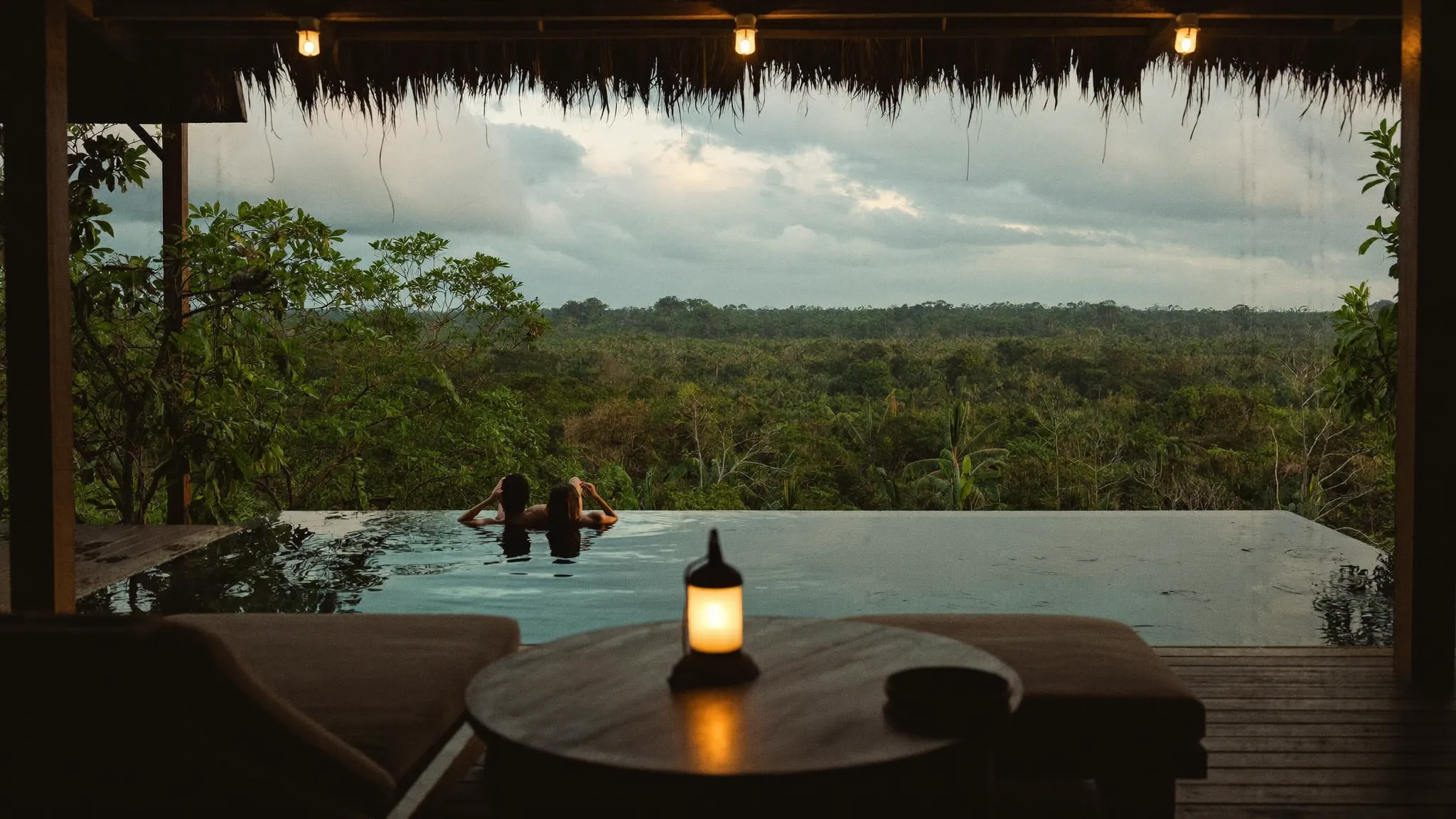
- Wet season (November–March): Warm, humid, with short but heavy tropical downpours — often in the afternoon. Lush green landscapes, dramatic skies, far fewer tourists, and the lowest prices of the year.
Temperatures barely move across the year — expect daytime highs around 30–32°C (86–90°F) almost every month. What changes is rainfall and humidity, and that's what you're really planning around.
Month by month
April — shoulder season, great value
The wet season is winding down. Mostly dry days with the occasional shower, landscapes still lush and green, and prices below the mid-year peak. A smart pick if you want dry-season odds without high-season crowds.
May — excellent
One of the best all-rounders. Reliably dry, comfortable humidity, and the island isn't yet at peak capacity. Sunset ceremonies at Uluwatu or Seminyak beach clubs are a safe bet.
June — excellent
Peak dry-season quality with clear skies and beautiful light. Popularity climbs, so book venues and photographers 9–12 months out, but weather-wise it's about as good as Bali gets.
July — excellent, but busy
Gorgeous, dry and breezy — and the start of the July–August high season. Expect premium pricing and the earliest booking demand of the year. Lock in your date well ahead.
August — peak, dry but crowded
The driest, most reliable month, which is exactly why it's the busiest and priciest. Villas, top venues and sought-after vendors get booked out a year in advance. Great weather; plan and budget accordingly.
September — excellent, the sweet spot
Many planners' favourite. Still firmly dry season, but the August rush has eased, so you get high-season weather with slightly better availability and calmer prices. Hard to beat.
October — good shoulder, watch late month
Early October is still comfortably dry; toward month's end the first wet-season showers can appear. Fewer crowds and softer rates make it a value-hunter's window if you don't mind a modest rain risk.
November — start of the wet season
Rain becomes more frequent, usually as short afternoon bursts rather than all-day drizzle. Landscapes turn vivid green and prices drop. Workable with a solid wet-weather backup plan.
December — wet, festive, book carefully
Genuinely rainy, and Christmas/New Year brings a separate holiday-travel surge that pushes flight and villa prices up. A tricky combination — doable, but have a covered venue on standby.
January & February — wettest months
The heart of the wet season. Heaviest, most persistent rain and high humidity. The upside is dramatic scenery, empty beaches and rock-bottom vendor rates. Only choose these if you're relaxed about weather and fully committed to an indoor or covered ceremony option.
March — wet season easing
Rain starts to taper toward month's end and the shoulder-season value returns. A gamble early in the month, increasingly safe later.
Beyond weather: three things that also decide your date
Time of day matters as much as the month. Even in the wet season, mornings are often clear, with rain arriving mid-to-late afternoon. Many couples marry late afternoon for golden light — in shoulder or wet months, consider a slightly earlier ceremony and always confirm a wet-weather backup with your venue.
Humidity affects everything from makeup to attire. It's high year-round but most intense in the wet season. It's worth choosing breathable fabrics, sweat-resistant makeup and a hairstyle that holds — see our guide on choosing a wedding dress for Bali's heat and humidity.
Prices swing with demand. As a rough guide for the same venue and vendors:
- Peak (July–August, plus the Dec/Jan holidays): highest rates, book 12+ months ahead
- High-quality shoulders (May, June, September): strong weather, moderate pricing — the value sweet spot
- Wet season (November–March, excl. holidays): lowest rates, widest availability, real rain risk
A villa or beach venue that costs, say, AUD $6,000–$9,000 in August can run noticeably less in the green season — a meaningful saving if your overall Bali wedding budget is tight.
So which should you choose?
- Want the safest weather and don't mind crowds or cost? August.
- Want great weather with better value and availability? May, June or September — our top recommendation for most couples.
- Chasing value and relaxed about a rain plan? April, October, or deep wet season (Jan–Feb) for the lowest prices.
- Marrying in the wet season? Book a venue with a genuine covered option, schedule earlier in the day, and treat a backup plan as non-negotiable.
Whatever month you land on, the right venue and vendor team make all the difference — a good local planner knows exactly how each area's microclimate behaves and will build the right contingencies into your day.
Ready to start pinning down a date? Browse Bali wedding venues, planners, photographers and florists on baliweddings.com to find the team that fits your season and your style.